
Tick Fever in Dogs and Cats: 7 Key Symptoms, Treatment & Prevention Tips
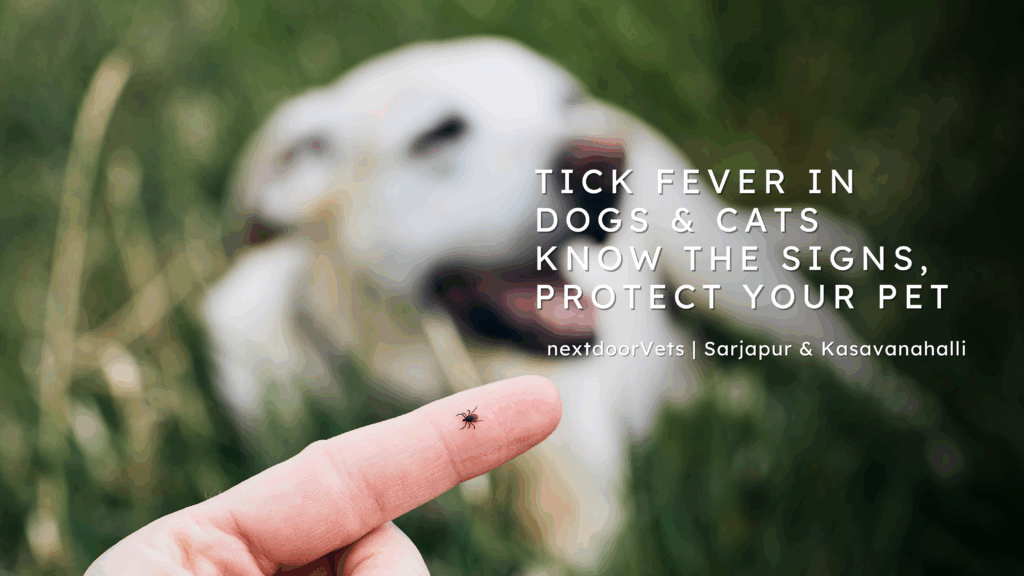
TICK FEVER IN DOGS & CATS KNOW THE SIGNS, PROTECT YOUR PET nextdoorVets | Sarjapur & Kasavanahalli Tick Fever in Dogs and Cats is one of the most common and dangerous tick-borne diseases in India. It is caused by parasites such as Ehrlichia canis and Babesia canis that enter the bloodstream through tick bites. Once inside the body, they attack blood cells, leading to anemia, organ damage, and in severe cases, even death. At nextdoorVets, we regularly treat cases of tick fever in dogs and cats. Many pet parents bring in their pets with sudden fever, loss of appetite, or extreme weakness—often unaware that a small tick bite may be the root cause. The good news is that with timely diagnosis and prevention, tick fever in pets can be effectively managed. What is Tick Fever in Dogs and Cats? Tick fever is a parasitic infection spread by ticks, which are small blood-sucking parasites found on the skin of animals. The most common culprits are: Ehrlichia canis (causing Canine Ehrlichiosis) Babesia canis (causing Canine Babesiosis) While dogs are most commonly affected, cats can also suffer from tick-borne infections, especially outdoor or community cats. How Do Pets Get Tick Fever? Ticks thrive in warm, humid climates—making Bangalore and many parts of India perfect breeding grounds. Pets are most likely to pick up ticks from: Outdoor walks in grassy or bushy areas Contact with stray or community animals carrying ticks Unclean bedding, kennels, or play areas Remember: Even indoor pets are not completely safe. Ticks can hitchhike into your home on clothes, shoes, or visiting animals. Symptoms of Tick Fever in Dogs and Cats Tick fever can look very similar to other illnesses, so early detection is crucial. Watch out for these symptoms: High fever Loss of appetite Lethargy & weakness Pale gums (sign of anemia) Swollen lymph nodes Unexplained weight loss Nosebleeds or bleeding gums Lameness or joint pain (in advanced cases) If left untreated, the disease can progress to chronic stages, leading to organ failure and life-threatening complications. Why Tick Fever is Dangerous Hard to Detect Early – Symptoms may seem like simple tiredness or minor illness. Rapid Progression – The parasites multiply quickly in the bloodstream. Can Be Fatal – Without timely treatment, advanced cases are often fatal. Recurring Risk – Even after recovery, pets remain at risk of reinfection if ticks are not controlled. Diagnosis and Treatment of Tick Fever in Dogs and Cats At nextdoorVets, we use: Blood tests to detect parasites Complete blood counts (CBC) to check for anemia Smear examinations under a microscope PCR test to detect blood parasites or protozoa. Treatment Options: Antibiotics (e.g., doxycycline) for Ehrlichiosis Anti-parasitic medication for Babesiosis Supportive care such as IV fluids, vitamins, and immune boosters Blood transfusions in severe cases of anemia ✅ With prompt veterinary care, most pets recover well from tick fever. Prevention: Protecting Your Pet from Tick Fever 1. Regular Tick Prevention Use vet-recommended tick prevention products such as: Tick collars Spot-on treatments Medicated shampoos Oral anti-tick tablets 2. Routine Grooming & Checks Comb your pet’s coat regularly Check ears, paws, belly, and tail base for ticks Bathe with anti-tick shampoos during tick season 3. Home & Environment Hygiene Wash and sun-dry pet bedding often Keep grass trimmed in play areas Use pet-safe sprays for tick control in the house 4. Community Awareness Supporting tick prevention drives for stray dogs and cats reduces the overall tick population in your neighborhood, keeping pets and people safer. Tick Fever in Cats Cats are less commonly diagnosed but are not immune. They may show: Fever and lethargy Loss of appetite Pale gums Weight loss If your cat goes outdoors or mingles with other animals, regular tick checks and prevention are equally important. Tick Fever Myths vs. Facts Myth: Only outdoor pets get tick fever.Fact: Indoor pets can also get ticks from people, clothes, or other animals. Myth: Removing visible ticks is enough.Fact: Even one infected tick can transmit the parasite. Prevention is key. Myth: Tick fever isn’t common in cities.Fact: Tick fever cases are reported regularly in urban clinics, including Bangalore. Tick Care at nextdoorVets At nextdoorVets (Sarjapur & Kasavanahalli, Bangalore), we provide: Tick fever diagnosis & treatment Safe anti-tick medications for dogs & cats Regular tick control programs Preventive care guidance for pet parents Final Thoughts Tick fever may sound scary, but with awareness, prevention, and regular vet visits, it is completely manageable. Protecting your pet from ticks means protecting them from life-threatening illnesses. 👉 Book your pet’s tick prevention consultation today at nextdoorVets.📞 Sarjapur: 9035038809 | Kasavanahalli: 8123364343🌐 www.nextdoorvets.com Because when it comes to tick fever—prevention is always better than cure. Instagram Whatsapp Linkedin
Feline Panleukopenia in Cats: Symptoms, Treatment & Prevention
Feline panleukopenia is a highly contagious and life-threatening viral disease in cats, especially kittens and unvaccinated pets. Learn about symptoms, diagnosis, treatment, vaccination, and prevention.
Feline Infectious Peritonitis (FIP) in Cats: Symptoms, Diagnosis & Treatment
Feline Infectious Peritonitis (FIP) is a serious viral disease in cats caused by a mutation of feline coronavirus. Learn about symptoms, diagnosis, PCR testing, treatment options, and prevention.
Canine Parvovirus Awareness – Symptoms, Treatment & Prevention
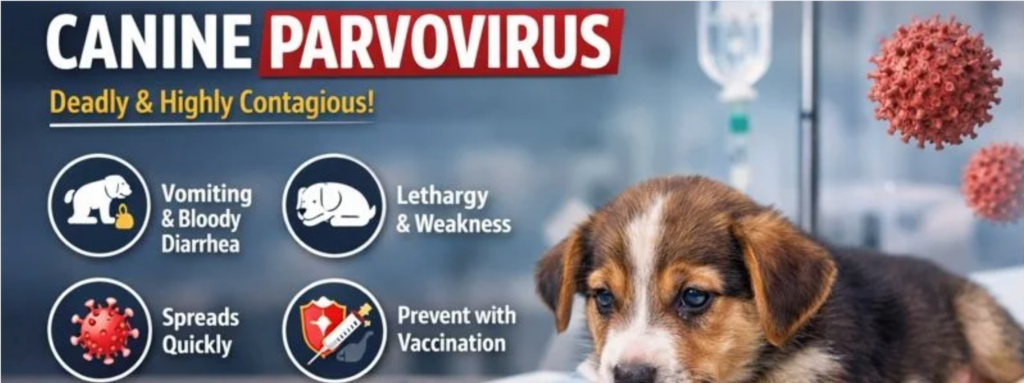
Canine Parvovirus in Dogs: Symptoms, Treatment, Prevention & When to See a Vet Canine Parvovirus is a life-threatening but preventable disease in dogs. Learn symptoms, diagnosis, treatment, and vaccination schedule. What Is Canine Parvovirus? Canine Parvovirus (CPV), commonly known as Parvo, is a highly contagious and potentially fatal viral disease affecting dogs — especially unvaccinated puppies under one year of age.The virus attacks the intestinal lining and bone marrow, causing severe gastrointestinal illness and weakening the immune system. In very young puppies, Parvo can also affect the heart muscle (myocarditis). How Do Dogs Get Infected with Parvo? Parvovirus spreads primarily through contact with infected feces or contaminated environments.Dogs may become infected by sniffing or ingesting virus particles from: Soil, grass, or floors Food and water bowls Clothing, footwear, or hands Kennels and cages ⚠️ The virus is extremely resistant and can survive for months in the environment. Direct dog-to-dog contact is not required for transmission. Common Symptoms of Parvovirus in Dogs Parvo usually affects the digestive system first. Early recognition is critical. Key clinical signs include: Severe and persistent vomiting Profuse diarrhea (often bloody) Loss of appetite Lethargy and depression Fever or abnormally low body temperature Vomiting and diarrhea are often the earliest and most consistent signs. How Is Parvovirus Diagnosed? Veterinarians diagnose Parvo using: Parvovirus SNAP test (fecal antigen test) Complete blood count (very low WBC levels are common) Albumin and C-reactive protein levels Liver and kidney function tests in severe cases Early testing helps improve survival chances. Treatment Options for Canine Parvovirus There is no direct antiviral cure for Parvo. Treatment focuses on intensive supportive care while the dog’s immune system fights the virus. Treatment typically includes: Hospitalization and close monitoring IV fluids and electrolyte therapy Blood glucose monitoring Antibiotics for secondary infections Antiemetics and pain management Hemostatic drugs to control intestinal bleeding Blood transfusions in severe cases Advanced therapies may include: Canine Parvovirus monoclonal antibodies (e.g., CANGLOB-P) Filgrastim injections to stimulate bone marrow recovery With early intervention, many dogs recover within 7–10 days. Prognosis: Can Dogs Survive Parvo? Survival depends on how quickly treatment begins and the severity of infection.Breeds like Rottweilers, Dobermans, and some Terriers may be at higher risk if treatment is delayed. Possible complications include: Septic shock Intestinal intussusception ARDS Thrombosis Myocarditis Multi-organ failure Preventing Canine Parvovirus Vaccination is the most effective prevention. Recommended vaccination schedule: Puppy DP vaccine at 4–5 weeks DHPPIL at 45 days Two monthly DHPPIL boosters Annual boosters thereafter Environmental control is equally important.Use bleach-based disinfectants (1:30 dilution) or veterinary-approved Parvo disinfectants in contaminated areas. When Should You Take a Dog with Suspected Parvovirus to the Vet? Canine Parvovirus in dogs progresses rapidly and can become fatal within 24–72 hours if left untreated. Immediate veterinary attention is required if a puppy or unvaccinated dog shows symptoms such as vomiting, bloody diarrhea, weakness, or refusal to eat. Early hospitalization allows veterinarians to manage dehydration, prevent secondary infections, and stabilize vital parameters. Dogs treated in the early stages of infection have significantly higher survival rates compared to delayed cases. Pet parents should avoid home remedies and isolate suspected dogs immediately to prevent environmental contamination and spread to other pets. Cats are affected by a different virus called feline panleukopenia, which causes severe illness in kittens and unvaccinated cats. Final Takeaway Canine Parvovirus is preventable but life-threatening.With timely vaccination, proper hygiene, and immediate veterinary care, most dogs can avoid or survive Parvo. 🚨 If your dog shows vomiting or diarrhea — especially if young or unvaccinated — seek veterinary care immediately. 👉 If your dog shows warning signs, seek immediate help at nextdoorVets.📞 Sarjapur: 9035038809 | Kasavanahalli: 8123364343🌐 www.nextdoorvets.com Instagram Whatsapp Linkedin
Pyometra in Dogs: Symptoms, Treatment & Prevention Tips
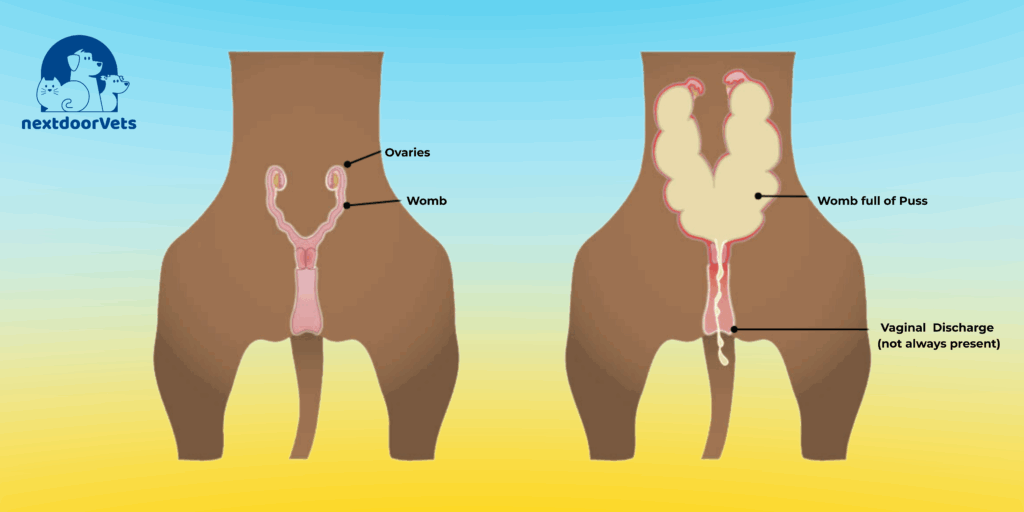
Pyometra in Dogs: Symptoms, Treatment & Prevention At nextdoorVets, we often meet pet parents of female dogs that suddenly fall sick after a heat cycle. One of the most dangerous causes is Pyometra in dogs – a severe, life-threatening uterine infection. Without urgent treatment, pyometra can quickly become fatal. The good news? With early diagnosis, surgery, and preventive care, dogs can survive and live healthy lives. What is Pyometra in Dogs? Pyometra in dogs is a bacterial infection of the uterus, usually seen in unspayed females. After a heat cycle, hormones (especially progesterone) cause the uterine lining to thicken, creating a favorable environment for infection. When bacteria (often E. coli) enter the uterus, pus builds up, leading to severe illness. Types of pyometra in dogs: Open Pyometra – pus drains through the vulva (easier to detect). Closed Pyometra – pus is trapped inside; symptoms may remain hidden until the dog is critically ill. Risk Factors for Pyometra in Dogs Unspayed females (especially above 5 years) Repeated heat cycles without pregnancy Prior use of hormonal injections for heat suppression Certain breeds (Terriers, Collies, Retrievers may be more predisposed) Symptoms of Pyometra in Dogs Early Signs: Vaginal discharge (pus or blood-stained) in open pyometra Increased thirst & urination Reduced appetite Lethargy Advanced Signs: Distended abdomen (pus accumulation) Vomiting, diarrhea Fever, dehydration Weakness, collapse, or shock If you notice these symptoms, seek veterinary help immediately. Closed pyometra in dogs is especially dangerous because no discharge is visible. Why Pyometra in Dogs is Dangerous Uterine rupture → pus leaks into the abdomen (peritonitis) Bacteria & toxins spread into bloodstream (sepsis) Kidney failure or multi-organ dysfunction Without urgent surgery, pyometra is almost always fatal Diagnosis of Pyometra in Dogs At nextdoorVets, we use: Detailed history (heat cycle & unspayed status) Physical exam for abdominal swelling & discharge Blood tests (WBC, kidney/liver function) Ultrasound to confirm pus in the uterus X-rays to detect an enlarged uterus in advanced cases Treatment of Pyometra in Dogs Pyometra is a medical emergency. The gold standard treatment is ovariohysterectomy (spay surgery) to remove the infected uterus. At nextdoorVets, emergency treatment includes: IV fluids for stabilization Broad-spectrum antibiotics Pain management & supportive care Emergency life-saving spay surgery Medical management with hormones/antibiotics is rarely used (mostly in high-value breeding dogs) but carries a high risk of recurrence and complications. Prevention of Pyometra in Dogs Spaying your female dog is the only guaranteed way to prevent pyometra. Regular vet check-ups after each heat cycle if not spayed. Avoid unnecessary hormonal injections. Myths vs Facts about Pyometra Myth: Only old dogs get pyometra.Fact: Even young, unspayed females can be affected. Myth: If there’s no discharge, it can’t be pyometra.Fact: Closed pyometra shows no discharge but is deadlier. Myth: Antibiotics can cure pyometra.Fact: Surgery is the only effective cure. Myth: Spaying is risky, so better to avoid it.Fact: Preventive spaying is far safer than emergency pyometra surgery. Pyometra Care at nextdoorVets At nextdoorVets (Sarjapur & Kasavanahalli, Bangalore), we provide: 24/7 emergency stabilization & monitoring Advanced blood & ultrasound testing Expert surgical team for pyometra surgery Intensive post-op care & pain manageme Final Thoughts Pyometra in dogs is a deadly but preventable disease. Spaying not only prevents pyometra but also lowers the risk of mammary tumors. 👉 If your unspayed female dog shows warning signs, seek immediate help at nextdoorVets.📞 Sarjapur: 9035038809 | Kasavanahalli: 8123364343🌐 www.nextdoorvets.com Because when it comes to pyometra in dogs – prevention and early care save lives. Instagram Whatsapp Linkedin
Rabies in Dogs and Cats: 7 Essential Facts & Prevention Tips

Rabies: Symptoms, Prevention & Community Responsibility Rabies in Dogs and Cats is one of the most serious viral diseases known to both animals and humans. Despite decades of awareness, it still claims thousands of lives every year in India. The good news? Rabies is 100% preventable with timely vaccination and awareness. At nextdoorVets, we believe protecting pets, families, and even community animals is the key to building a safer environment for everyone. This blog sheds light on what rabies is, how it spreads, and the steps we can take—together—to prevent it. What is Rabies? Rabies is a viral disease that attacks the nervous system of mammals, including dogs, cats, cattle, and even humans. It spreads through the saliva of an infected animal, usually through a bite, scratch, or when saliva comes in contact with an open wound. Once the virus reaches the brain, it causes severe neurological symptoms and is almost always fatal if untreated. How Does Rabies Spread? Rabies isn’t limited to pets alone. It can affect stray dogs, cats, and wild animals too. Because community animals often lack vaccination access, they can unintentionally become carriers of the virus. Common scenarios include: Bite or scratch from an infected animal Licking of wounds by an infected animal Rarely, inhalation in bat-infested areas (extremely uncommon in India) Important: Stray dogs and cats are not “at fault”. They deserve protection too, through mass vaccination drives and sterilization programs. Symptoms of Rabies in Animals Rabies in Dogs and Cats develops in stages, and symptoms may vary across animals: Early signs Unusual restlessness or withdrawal Excessive licking at the bite site Sudden change in behavior Progressive signs Aggression or unexplained irritability Excessive drooling, difficulty swallowing Sensitivity to sound and light Sudden paralysis in legs or jaw Final stage Weakness, paralysis Collapse and eventual death If you notice such symptoms in pets or community animals, avoid direct handling and call a veterinarian or local animal welfare group immediately. Why Rabies is a Community Health Concern Rabies is a zoonotic disease—it can pass from animals to humans. India records nearly 18,000–20,000 human rabies deaths each year, often from dog bites. Children under 15 are the most affected group. But here’s the hopeful part: with regular vaccination, these numbers can drop dramatically. Countries that have implemented mass vaccination for pets and community dogs have successfully eliminated rabies. Prevention: The Only Way Forward Vaccinate Your Pets: All dogs and cats—whether indoor or outdoor—must receive their first rabies shot at 3 months of age, followed by annual boosters. Vaccination against rabies in Dogs and Cats is safe, effective, and protects the whole family. Support Community Vaccination: Many NGOs and veterinary hospitals, including Next Door Vets, actively participate in anti-rabies vaccination (ARV) drives for stray dogs and cats. Supporting or volunteering in these efforts goes a long way in building safer neighborhoods. Seek Immediate Care After Bites or Scratches: Wash the wound with soap and running water for at least 15 minutes Apply antiseptic (like povidone-iodine) Visit a doctor or vet immediately for post-exposure vaccination Spread Awareness: Encourage neighbors, pet parents, and local communities to understand rabies risks. A community that vaccinates against rabies in Dogs and Cats for both pets and strays helps break the cycle of infection. Rabies Vaccination at Next Door Vets At nextdoorVets (Sarjapur & Kasavanahalli, Bangalore), we provide: WHO-approved rabies vaccines for dogs and cats Guidance on complete vaccination schedules Participation in World Rabies Day (28th Sept) awareness drives Expert veterinary advice for pet parents and communities 👉 By vaccinating your pets and supporting community vaccination, you’re protecting not just one life—but many. Rabies Myths vs. Facts Myth: Rabies only affects stray dogs.Fact: Rabies can affect any mammal—pets, strays, cats, and even wild animals. Myth: Indoor pets don’t need rabies vaccination.Fact: Indoor pets can still be at risk through accidental escapes or contact with other animals. Myth: Rabies can be cured once symptoms appear.Fact: There is no cure once symptoms develop. Prevention is the only solution. Final Thoughts Rabies in Dogs and Cats is not just a ‘pet issue’, it’s a public health challenge. The only way forward is compassionate prevention: vaccinate your pets, support community vaccination drives, and spread awareness. 👉 Book your pet’s vaccinations today at nextdoorVets.📞 Sarjapur: 9035038809 | Kasavanahalli: 8123364343🌐 www.nextdoorvets.com At nextdoorVets, we stand committed to a rabies-free Bangalore. Together, let’s protect pets, strays, and people from this preventable disease. Instagram Whatsapp Linkedin
Pancreatitis in Dogs: Symptoms, Treatment & Prevention | nextdoorVets Bangalore
Pancreatitis in Dogs: Symptoms, Treatment & Prevention At nextdoorVets, we often meet pet parents worried because their dogs are vomiting, refusing food, or just not themselves. Many times, the hidden cause turns out to be pancreatitis in dogs – an inflammation of the pancreas that can range from mild to life-threatening. The good news? With timely diagnosis, treatment, and preventive steps, canine pancreatitis can be managed, and most dogs recover well. What is Pancreatitis in Dogs? The pancreas is a vital organ that helps with digestion and blood sugar control. When it becomes inflamed, digestive enzymes start harming the body instead of helping it. Acute Pancreatitis in Dogs – sudden onset, can be severe or life-threatening. Chronic Pancreatitis in Dogs – long-term, recurring inflammation that causes gradual damage. Causes of Canine Pancreatitis Common triggers of pancreatitis in dogs include: High-fat meals or sudden fatty treats (like fried foods or table scraps) Obesity Certain medications (steroids, antibiotics) Hormonal conditions (diabetes, Cushing’s disease) Trauma or surgery near the pancreas Breed predisposition (Miniature Schnauzers, Terriers, Cocker Spaniels) Symptoms of Pancreatitis in Dogs Pet parents should watch for the following warning signs: 🐾 Repeated vomiting 🐾 Loss of appetite 🐾 Belly pain (dog sits in “prayer position”– chest down, hips up) 🐾 Diarrhea 🐾 Lethargy & weakness 🐾 Fever 🐾 Dehydration 🐾 Swollen, painful abdomen Severe dog pancreatitis symptoms can lead to shock, multi-organ failure, and may be fatal without urgent care. Why Pancreatitis in Dogs is Dangerous Hard to detect early – Signs mimic food poisoning or gastritis. Rapid progression – Can worsen within hours. Recurrence risk – Dogs who’ve had pancreatitis are prone to repeat episodes. Complications – May cause diabetes, kidney failure, or infections. Diagnosis & Treatment of Canine Pancreatitis At nextdoorVets, our veterinary team uses: Blood tests (amylase, lipase, cPL – canine pancreatic lipase) Ultrasound to detect pancreatic inflammation CBC & biochemistry to assess organ health Treatment for Pancreatitis in Dogs Includes Hospitalization with IV fluids Pain relief & anti-nausea medication Low-fat, easily digestible diet Antibiotics (if secondary infection suspected) Intensive care in severe cases ✅ With timely care, most dogs recover well. Prevention: How to Protect Your Dog from Pancreatitis Healthy Diet – Feed balanced, low-fat meals. Avoid table scraps. Weight Control – Maintain an ideal body weight. Routine Vet Visits – Detect issues early. Medication Caution – Only give medicines under veterinary guidance. Myths vs. Facts about Pancreatitis in Dogs Myth: Only human food causes pancreatitis.Fact: Even high-fat dog food can trigger it. Myth: Once treated, it won’t come back.Fact: Recurrence is common in affected dogs. Myth: It’s just an upset stomach.Fact: It’s a serious, potentially life-threatening disease. Myth: Only old dogs get it.Fact: Any dog, young or old, can develop pancreatitis. Canine Pancreatitis Care at nextdoorVets At nextdoorVets (Sarjapur & Kasavanahalli, Bangalore), we provide: Accurate diagnosis with advanced blood & imaging tests 24/7 treatment & monitoring for severe pancreatitis cases Customized diet plans for recovery Preventive guidance for pet parents Final Thoughts Pancreatitis in dogs can be frightening, but with awareness, early treatment, and preventive care, your furry friend can recover and enjoy a healthy, tail-wagging life. 👉 Book your dog’s health consultation today at nextdoorVets.📞 Sarjapur: 9035038809 | Kasavanahalli: 8123364343🌐 www.nextdoorvets.com Because when it comes to canine pancreatitis, early care saves lives. Instagram Whatsapp Linkedin